

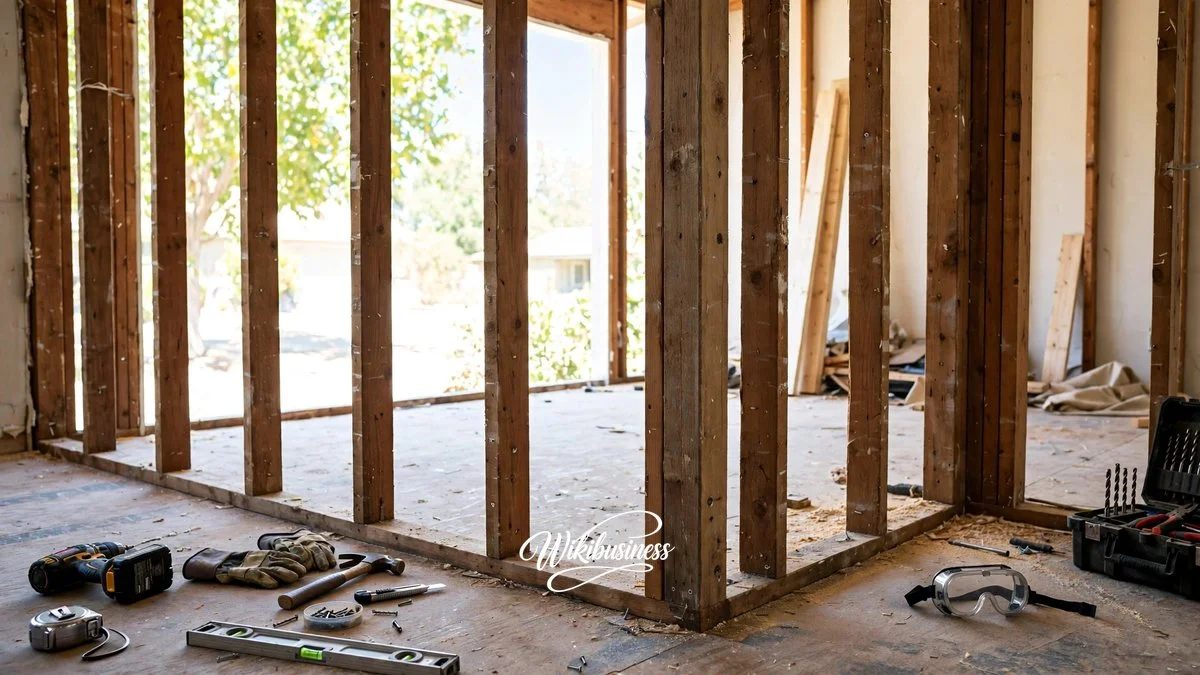
One missed stud can mean a torn drywall anchor, a cracked tile, or a television on the floor. One false positive can mean drilling into a pipe or a live wire. That is why the best stud finders 2026 are not a single gadget category anymore: basic electronic edge finders, multi-sensor centre finders that map a whole stud at once, and scanners that warn about metal and AC wiring solve different jobs. This guide to the best stud finders 2026 explains how each technology works, then ranks six tools for hanging, renovating and mounting with confidence in Canadian homes.
Edge Finding vs Centre Finding vs Wall Scanning
A classic electronic stud finder measures changes in capacitance as it slides over drywall. It finds edges: you mark both sides and infer the centre, which is exactly where cheap tools go wrong on thick plaster, textured walls or double drywall. Multi-sensor centre finders use an array of sensors to light up the full width of the stud at once, which is faster and far more reliable on real renovation walls. Dedicated wall scanners add metal detection and live AC warning — essential before coring, cutting or drilling deep. The best stud finders 2026 list below is ordered by job: start with a multi-sensor tool for everyday hanging, and add a scanner if you cut into walls. Understanding that split is the whole secret to using the best stud finders 2026 well.
What Actually Causes False Readings
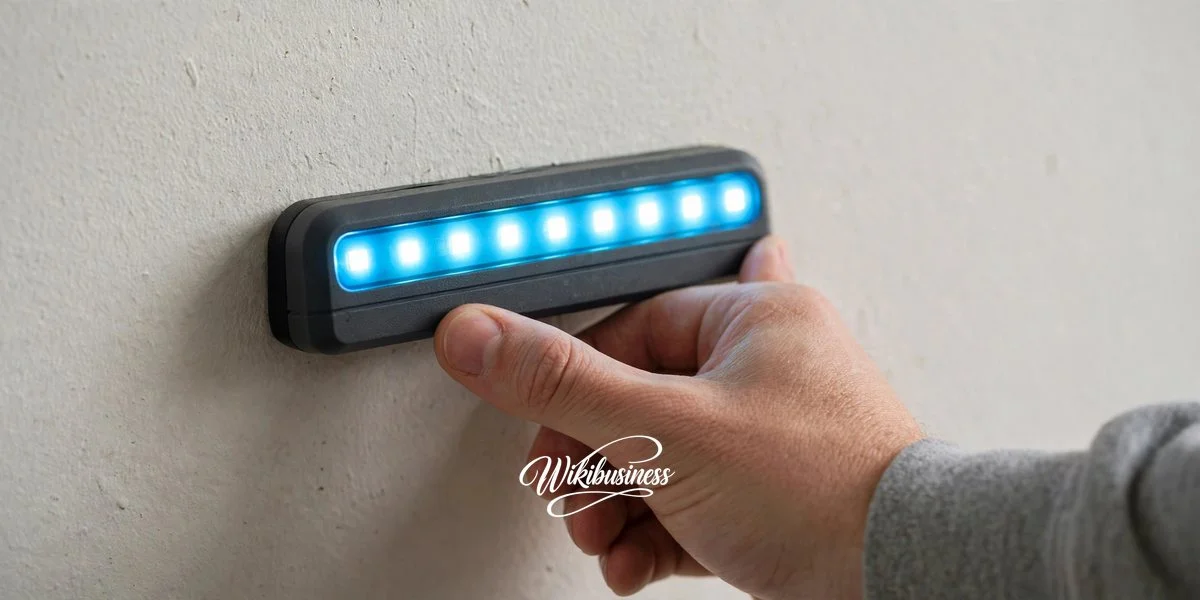
Calibration on an empty section of wall, slow movement, flat sensor contact and consistent pressure decide accuracy more than price does. Metal lath in older plaster, foil-backed insulation, pipes close behind drywall and studs that are not perfectly vertical all create ghosts. Good practice is boring and effective: scan the same area horizontally at two heights, mark lightly in pencil, confirm the stud continues vertically, and check spacing — studs are usually 16 or 24 inches apart on centre in Canadian framing. Every tool among the best stud finders 2026 rewards that technique and punishes rushing.
1. Franklin Sensors ProSensor M210 — Best Overall
The ProSensor M210 uses a wide multi-sensor array and shows the full width and centre of a stud simultaneously, with no calibration step. For hanging cabinets, TVs and shelving, it is the fastest reliable answer in this class and the benchmark for the best stud finders 2026. It works through drywall and is notably forgiving on imperfect walls where single-sensor tools hunt and beep.
Check the price in Canada — Franklin Sensors ProSensor M210
2. Zircon MultiScanner A200 — Best for Avoiding Pipes and Wiring
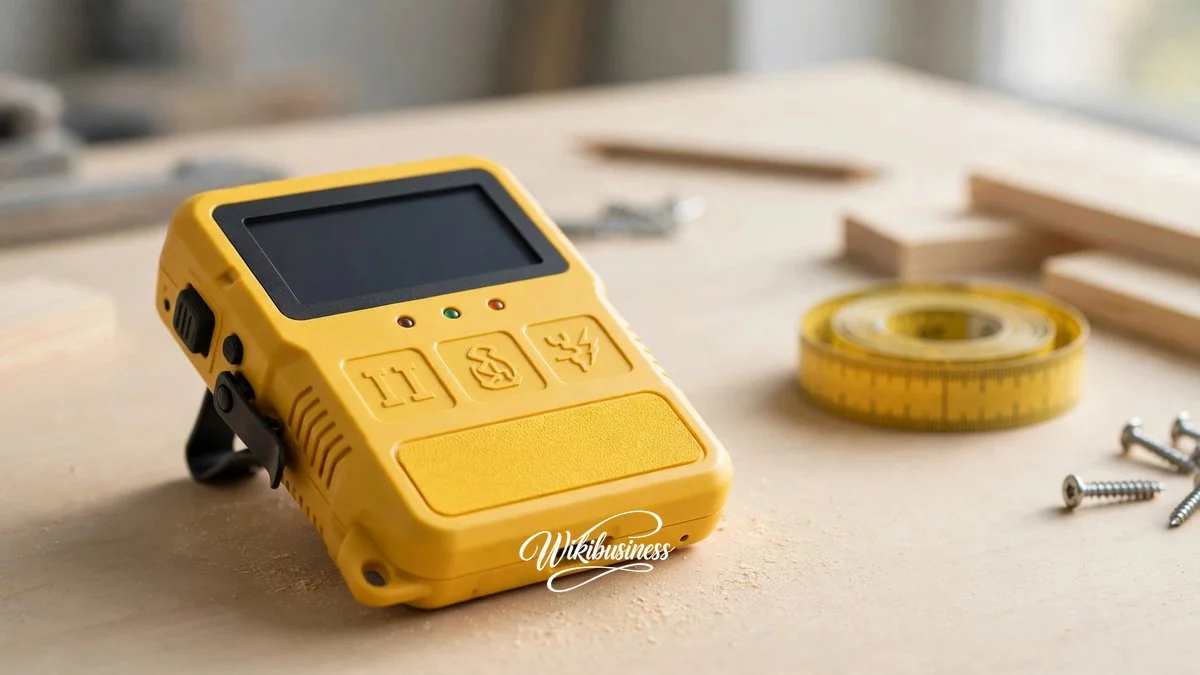
Zircon’s MultiScanner line adds dedicated modes for metal and live AC alongside stud scanning. If your work involves drilling deep, installing grab bars in bathrooms, or opening walls, that warning layer is the reason to buy it. It takes a little more technique than a pure centre finder, and repays it whenever metal hides where a stud should be.
Check the price in Canada — Zircon MultiScanner A200
3. Bosch GMS120 — Best Professional Wall Scanner
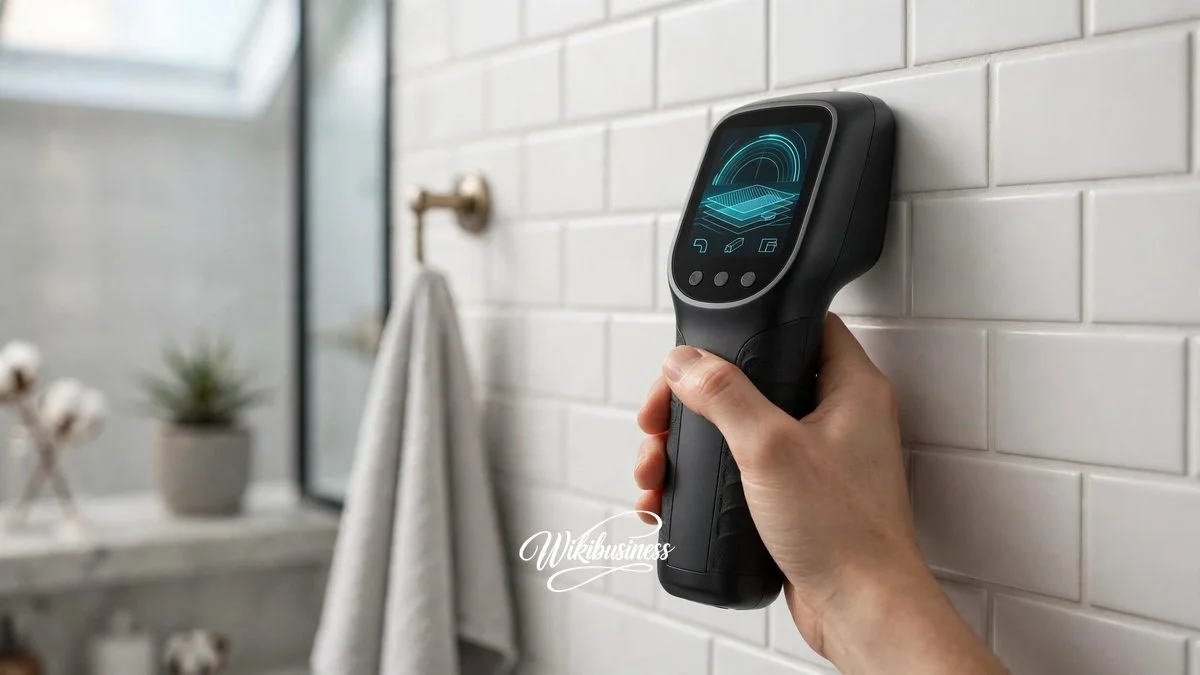
The Bosch GMS120 is a pro-oriented detector for ferrous and non-ferrous metal, wood studs and live conductors, with an illuminated display and auto-calibration. Contractors reach for it before coring and cutting, and serious renovators will appreciate how much uncertainty it removes. Among the best stud finders 2026 it is the tool you buy when a mistake costs more than the scanner does.
Check the price in Canada — Bosch GMS120
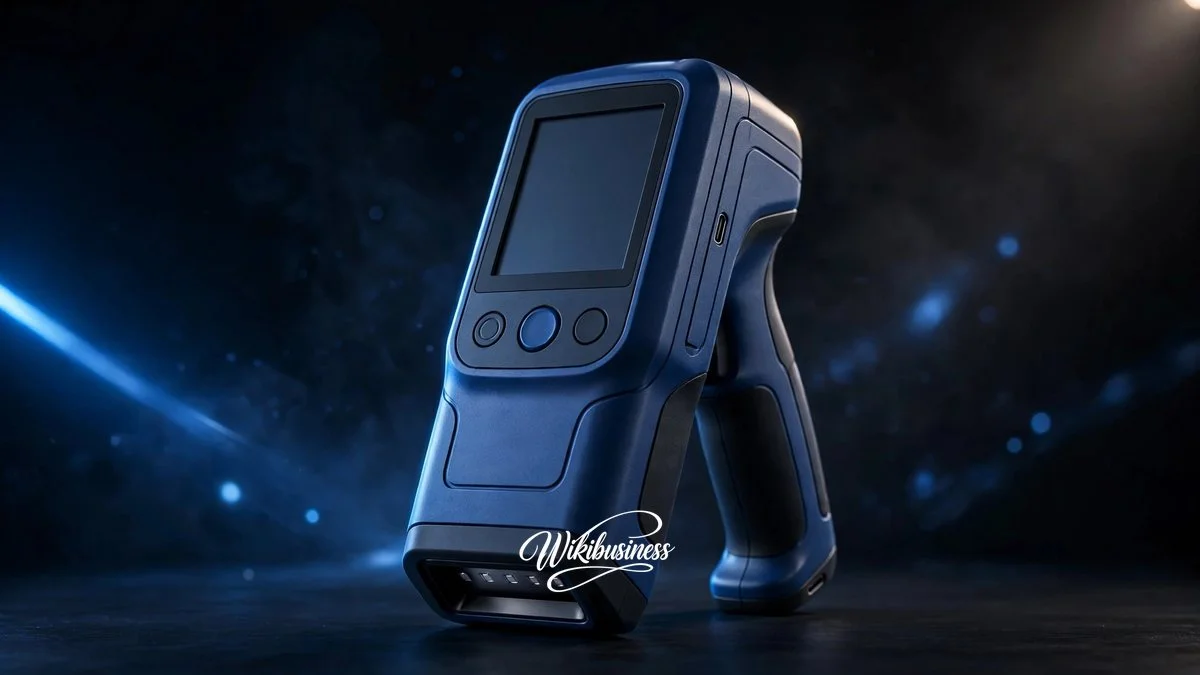
4. Franklin Sensors ProSensor T13 — Best Value Centre Finder
The T13 brings Franklin’s multi-sensor centre-finding approach to a lower price, with a narrower array than the M210. For apartments, galleries and everyday mounting it covers the jobs most people actually do, and it is dramatically easier than an edge finder. If the M210 is the best in class, the T13 is the value pick most households should shortlist.
Check the price in Canada — Franklin Sensors ProSensor T13
5. Zircon StudSensor HD900 — Best Advanced Edge Finder
The HD900 is Zircon’s high-end stud sensor with a colour display, centre and edge indication and wire warning. It suits users who prefer Zircon’s scanning style and want guidance toward the centre rather than a simple beep at an edge. Used slowly with the two-height confirmation technique, it is accurate and durable.
Check the price in Canada — Zircon StudSensor HD900
6. CH Hanson Magnetic Stud Finder — Best Simple Backup
This small magnetic finder locates drywall screws and nails in studs using strong rare-earth magnets — no batteries, no electronics, nothing to calibrate. It cannot warn about wires and it depends on fasteners being present, but as a glovebox and toolbox backup it never fails, and many pros carry one alongside an electronic tool. It closes our best stud finders 2026 list as the honest, indestructible fallback.
Check the price in Canada — CH Hanson Magnetic Stud Finder
Mounting Safely Once You Find the Stud
Finding the stud is half the job. Drill a small pilot hole, use fasteners rated for the load with margin to spare, and for heavy items like large TVs and cabinets, drive into the centre third of the stud and consider a second stud. In bathrooms and kitchens, always assume pipes and wiring share the wall until a scanner says otherwise. That discipline, plus any one of the best stud finders 2026 above, turns wall mounting from a gamble into a routine.
FAQ — Best Stud Finders 2026
Are multi-sensor stud finders worth it? Yes for most people: they show the full stud width and centre at once, with fewer false readings on real walls.
Can a stud finder detect pipes and wires? Only models with metal and AC scan modes can warn about them; a basic stud-only tool cannot.
Why does my finder beep everywhere? Usually calibration started over a stud, the wall has metal lath or foil backing, or the tool is moving too fast. Recalibrate on a clearly empty area and slow down.
How far apart are studs in Canada? Typically 16 inches on centre in walls, sometimes 24 inches; confirming consistent spacing is a good accuracy check.
Do stud finders work on plaster and tile? Deep-scan and multi-sensor models handle thicker plaster better; tile in bathrooms is the hardest case and a scanner with metal mode helps avoid pipes first.