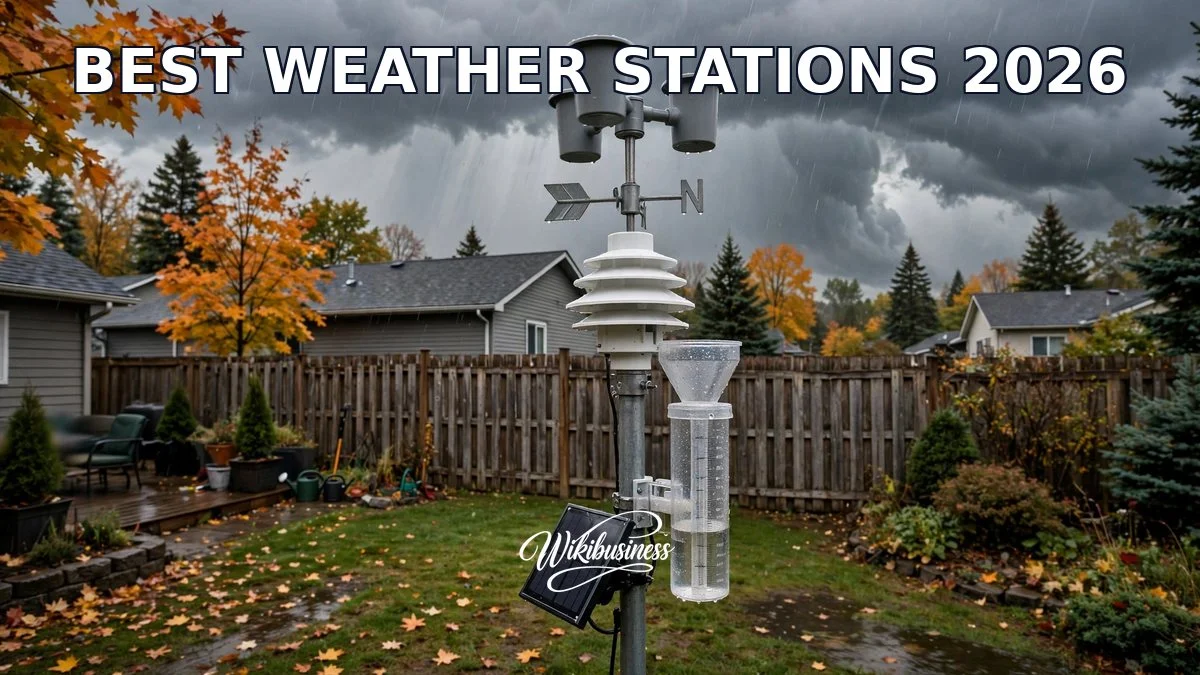
A forecast tells you what a city might get. A home weather station tells you what your street, your farm or your cottage actually got. The best weather stations 2026 measure temperature, humidity, wind, rain and pressure at your own roofline, log the data, and feed it to apps and smart homes. The best weather stations 2026 differ in sensor quality, transmission range, display clarity and how open their data is. This guide ranks the best weather stations 2026 for Canadian homes, farms and weather enthusiasts, with honest notes on accuracy, installation and winter survival.
How We Ranked the Best Weather Stations 2026
We weighted five things. First, sensor completeness: the best weather stations 2026 combine wind speed and direction, rainfall, temperature, humidity and barometric pressure in one outdoor array, ideally with UV and solar readings. Second, accuracy and update rate — a station that reports wind every few seconds catches gusts a 48-second station misses. Third, transmission: range through Canadian walls and reliable Wi-Fi or console links matter more than headline specs. Fourth, data access: open uploads to services like Weather Underground, plus app history and export, separate enthusiast stations from toys. Fifth, winter build: bearings, rain gauges and batteries must survive freeze-thaw cycles. Every pick below is sold in Canada. Weather watchers often pair a station with the sky tools in our best telescopes 2026 guide, and you will find seasonal pricing context in our Black Friday 2026 deals guide.
Ambient Weather WS-2902 — The Enthusiast Favourite
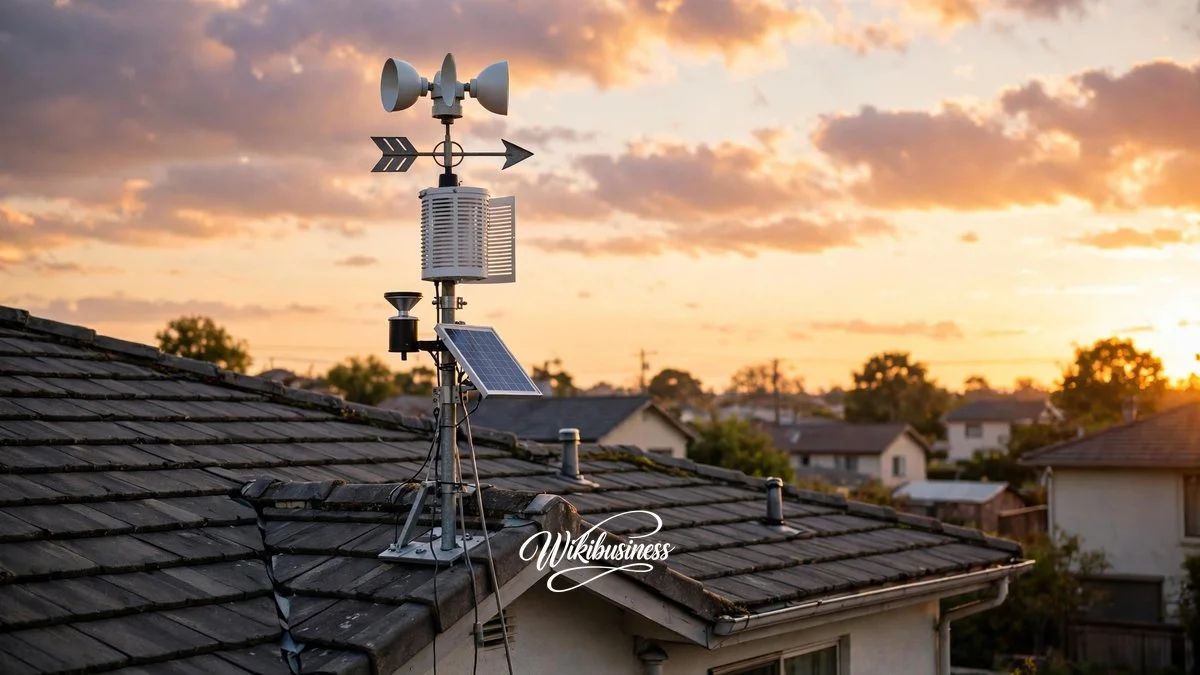
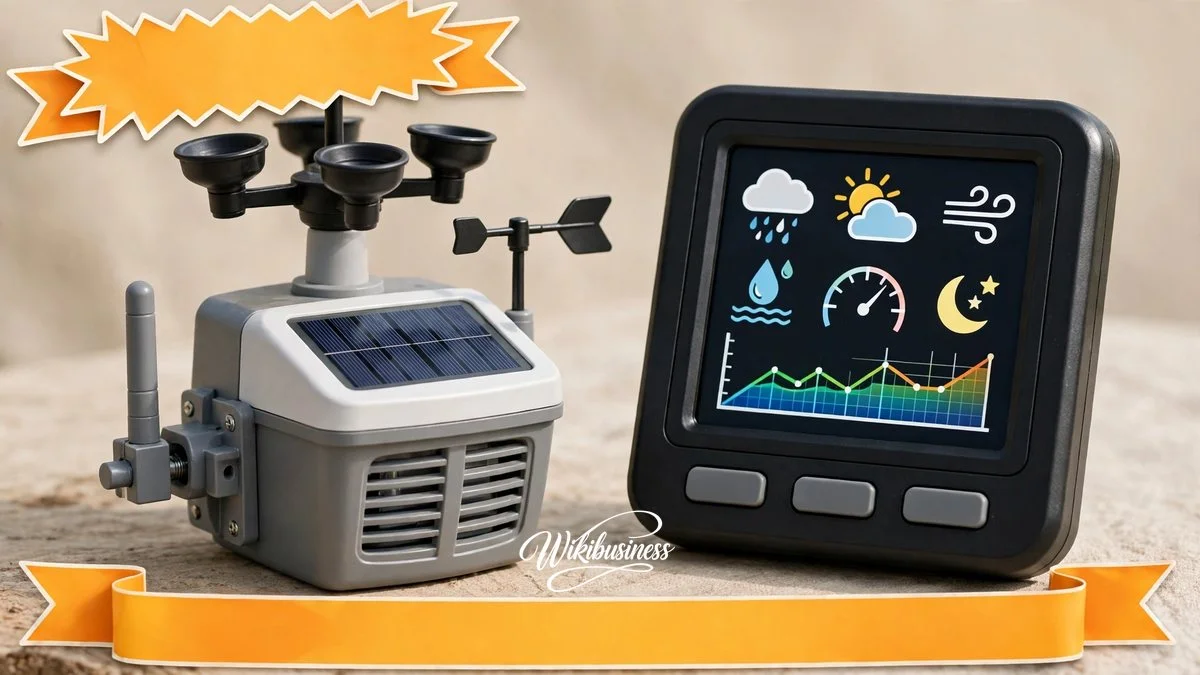
The WS-2902 is the station most North American weather enthusiasts start with, for good reason. Its all-in-one array measures wind, rain, temperature, humidity, UV and solar radiation, updates rapidly, and uploads to Ambient Weather’s dashboard, Weather Underground and other services with minimal fuss. The colour console is clear, calibration options are unusually complete, and the community support is enormous. Among the best weather stations 2026, it offers the most data per dollar.
Ecowitt HP2553 — The Expandable System Pick
The HP2553 pairs a large colour console with Ecowitt’s outdoor sensor array measuring wind, rain, temperature, humidity, UV and solar radiation, and it sits at the centre of the most expandable ecosystem in home weather: extra soil-moisture, lightning, air-quality and temperature sensors all join the same gateway. Data flows to Ecowitt’s dashboard and major weather services, and local access makes it a favourite for smart-home integration. If you want a station that can grow from one array into a whole property-wide sensor network, this is the pick among the best weather stations 2026.
Davis Vantage Vue — The Accuracy Benchmark
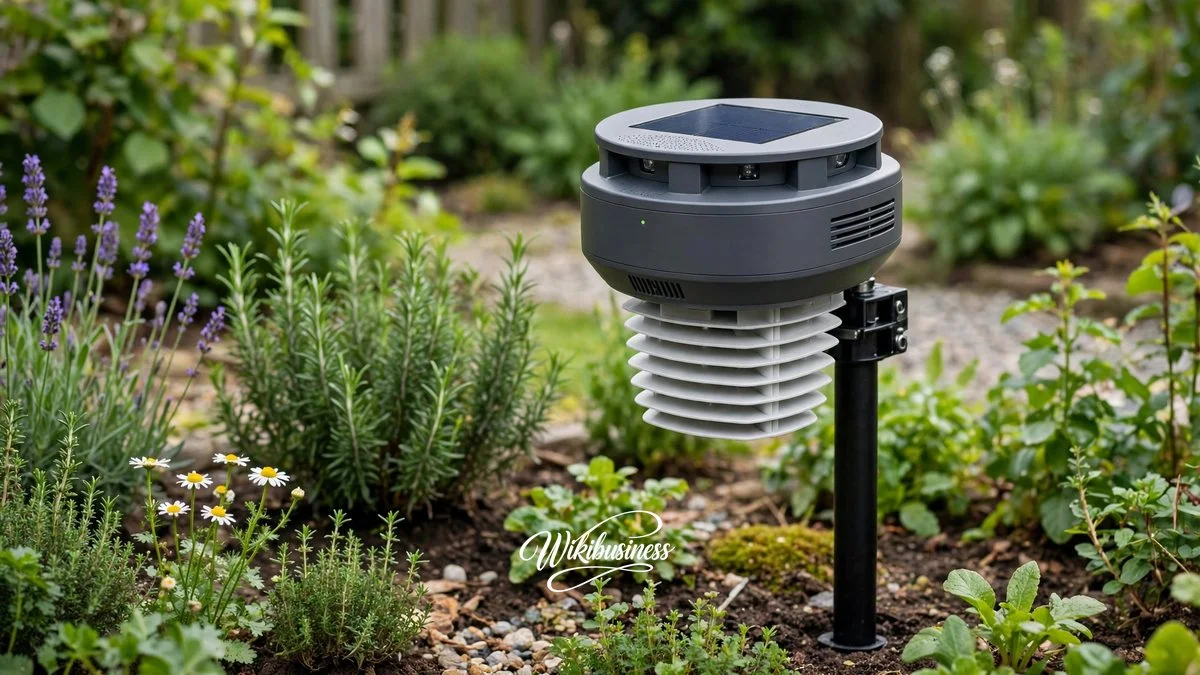
Davis instruments are the reference home stations are judged against. The Vantage Vue’s integrated sensor suite is built for years of unattended service, with fast wind updates, a radiation shield for honest temperature readings, and a console experience refined over decades. It costs more and its data ecosystem is more closed than Ambient or Ecowitt, but for buyers who value proven accuracy and longevity above apps, it remains a benchmark in the best weather stations 2026.
La Crosse Technology Professional Smart Wi-Fi Weather Station — The Connected Home Pick
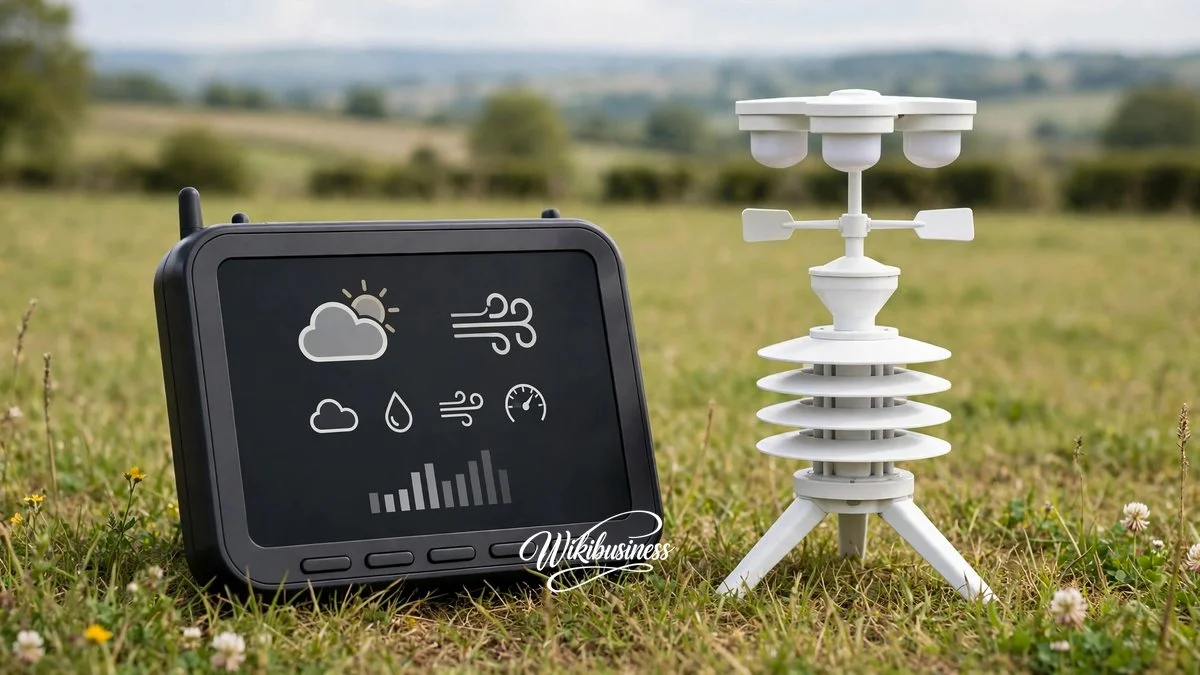
Not everyone wants a data project. La Crosse stations focus on a clear, glanceable display: indoor and outdoor temperature, humidity, forecast icons, atomic clock sync and alerts, with straightforward setup. Sensor range and enthusiast features are modest, but for a kitchen or hallway display that simply answers “what is it like out there, and what is coming?” it does the job reliably and affordably. A good first station, and a good gift.
AcuRite Iris 5-in-1 — The Budget All-Rounder
The Iris combines wind, rain, temperature and humidity in one 5-in-1 sensor with a bright display and AcuRite’s app access on connected models. Accuracy is a step below Davis, and the fan-aspirated design benefits from sensible siting, but the price makes real local weather data accessible to almost anyone. For cottages, gardens and school projects, it is the value entry in the best weather stations 2026.
Netatmo Weather Station — The Smart Home Pick
Netatmo takes a different route: elegant indoor and outdoor modules measuring temperature, humidity, CO2, noise and pressure, with a rain gauge and anemometer as add-ons, all presented in a polished app and integrated with major smart-home platforms. It does not match the all-in-one arrays for wind and rain out of the box, but for apartment and smart-home users who care about indoor air as much as outdoor weather, it is the most refined option in the best weather stations 2026.
Siting: Where You Mount It Decides Your Data
The best hardware sited badly produces bad data. Mount the outdoor array away from roofs, chimneys and pavement that radiate heat; aim for open air roughly 1.5 to 2 m above grass for temperature honesty, and higher, unobstructed exposure for wind. Keep the rain gauge level and clear of overhangs. In Canada, check the array after major snow and ice events, use lithium batteries rated for deep cold in battery-powered sensors, and expect any rain gauge to under-report frozen precipitation. Good siting improves any pick from the best weather stations 2026 more than a model upgrade would.
Consoles, Apps and Open Data
Decide how you will actually read your weather. A dedicated console is always on and glanceable; apps add history, alerts and sharing. Enthusiasts should prioritise stations that upload to open networks and allow local data access, because your multi-year local record becomes more valuable every season — for gardening dates, heating costs, insurance documentation after storms, and plain curiosity about your microclimate. That long view is why the best weather stations 2026 are worth buying properly once.
FAQ — Best Weather Stations 2026
What is the most accurate home weather station in 2026?
Davis stations such as the Vantage Vue remain the accuracy benchmark, while Ambient Weather and Ecowitt models approach them closely at lower prices with better app ecosystems.
Do home weather stations work in Canadian winters?
Yes, with cold-rated batteries and sensible siting. Stations with fewer exposed moving parts handle icing better; rain gauges cannot measure snow accurately until it melts.
How high should I mount a weather station?
Temperature sensors read most honestly about 1.5 to 2 m over grass, away from buildings; wind sensors want the highest clear exposure you can safely achieve.
Can a weather station feed a smart home?
Ecowitt and Netatmo integrate most readily with smart-home platforms; Ambient Weather offers strong dashboards and service uploads. Check your platform before buying.
The best weather stations 2026 turn your own property into the forecast that matters. Choose sensor quality and data openness over display gimmicks, mount the array carefully, and your local record will get more useful every year.