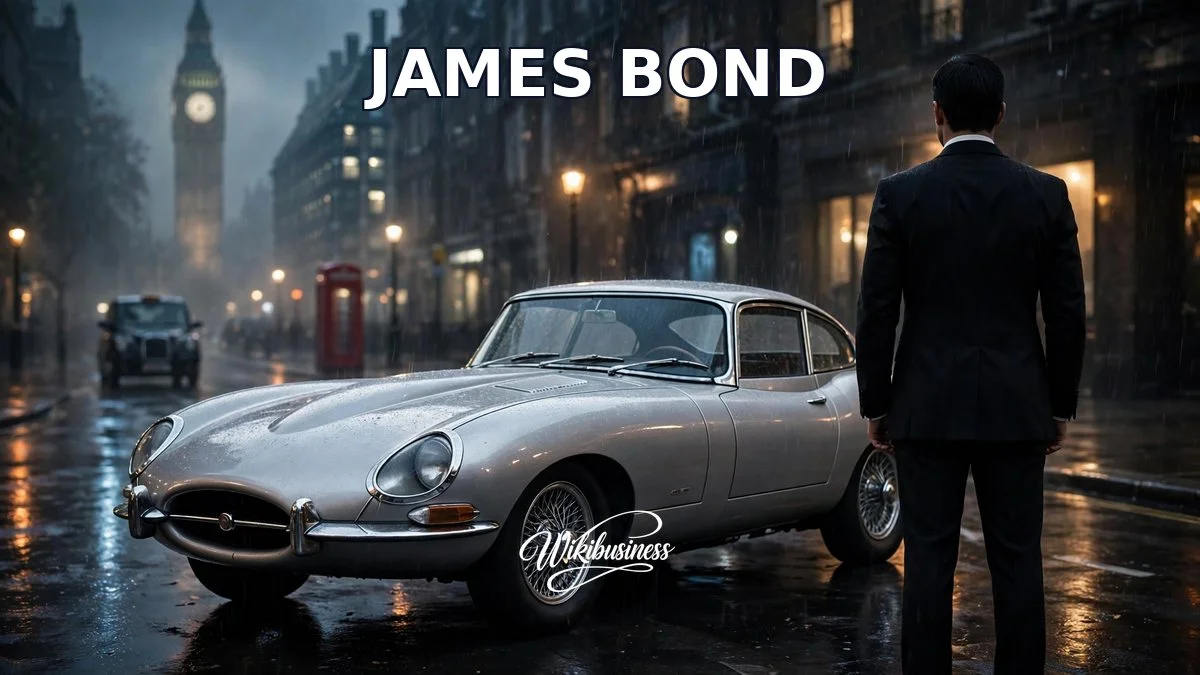
Six actors, twenty-five official films, one tuxedo. The James Bond franchise has outlived every rival series in cinema history, and it has done so by breaking the one rule franchises are supposed to follow: it changes everything, repeatedly, and dares the audience to keep up. Every generation gets the Bond it argues about. Every recasting is treated as a national event. Every era change — from Cold War menace to post-Cold War reinvention to the raw, serialised Craig years — reignites demand for the whole catalogue behind it. This is how the James Bond franchise reinvents itself every generation, and why, more than sixty years after Dr. No, 007 remains the most durable property in popular cinema. If you are building the definitive home collection, this guide also points to the editions that matter.
1962–1971: Connery Invents the Template
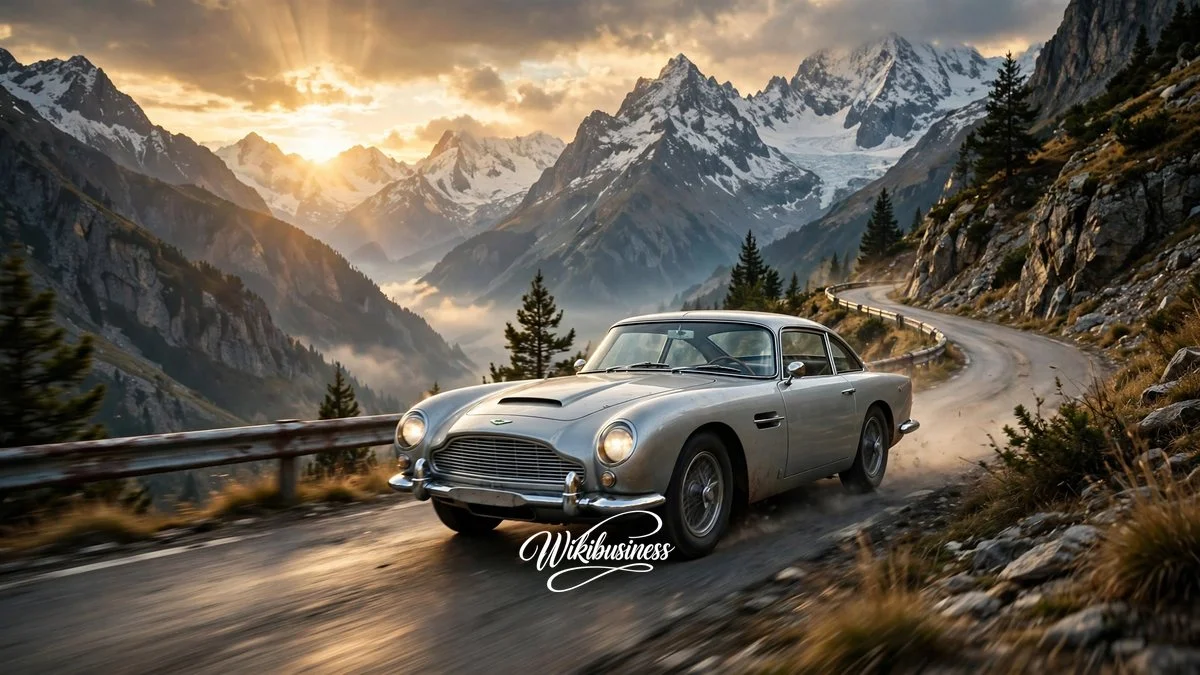
Sean Connery did not just play Bond first; he defined the grammar every successor would speak — the licence to kill delivered with a raised eyebrow, violence wrapped in Savile Row. Dr. No (1962) was a modest production; From Russia with Love added the craft, Goldfinger (1964) added the formula — the Aston Martin DB5, the larger-than-life villain, the title song as a chart event — and Thunderball turned it into a phenomenon. George Lazenby’s single outing, On Her Majesty’s Secret Service (1969), was underrated for decades and is now routinely ranked among the finest entries, proof that the James Bond franchise could survive even a one-film Bond. Connery’s return in Diamonds Are Forever closed the first era, but the template was permanent.
1973–1985: The Moore Era and the Spectacle Turn
Roger Moore’s Bond traded menace for wit and scale. Across seven films — still the record for an official Bond — the series chased the decade’s appetites: blaxploitation in Live and Let Die, kung fu in The Man with the Golden Gun, space in Moonraker, which for years was the highest-grossing Bond ever made. Critics of the era called it excess; the box office called it correct. The Moore years taught the James Bond franchise its second survival skill: when audience taste moves, Bond moves first and apologises never. The complete run of this era, Connery through Moore, is collected in the 24-film Blu-ray box set, still the backbone of any serious shelf.
1987–2002: Dalton, Brosnan and the Post-Cold War Reset
Timothy Dalton’s two films dragged Fleming’s harder, literary Bond back onto the screen years before audiences were ready — Licence to Kill (1989) is now read as a Craig film made early. A six-year legal hiatus followed, the longest in the series, and obituaries were written. Instead, Pierce Brosnan’s GoldenEye (1995) performed the franchise’s most important trick: it interrogated Bond’s relevance inside the film itself — a “sexist, misogynist dinosaur” in M’s words — and then proved the relevance by out-grossing everything before it. Brosnan’s four films restored the commercial engine, even as Die Another Day (2002) pushed the gadgetry to a breaking point that demanded another reset. The Craig-era films, collected in their own 4K set, are what that reset produced.
2006–2021: Craig Rebuilds Bond as a Character
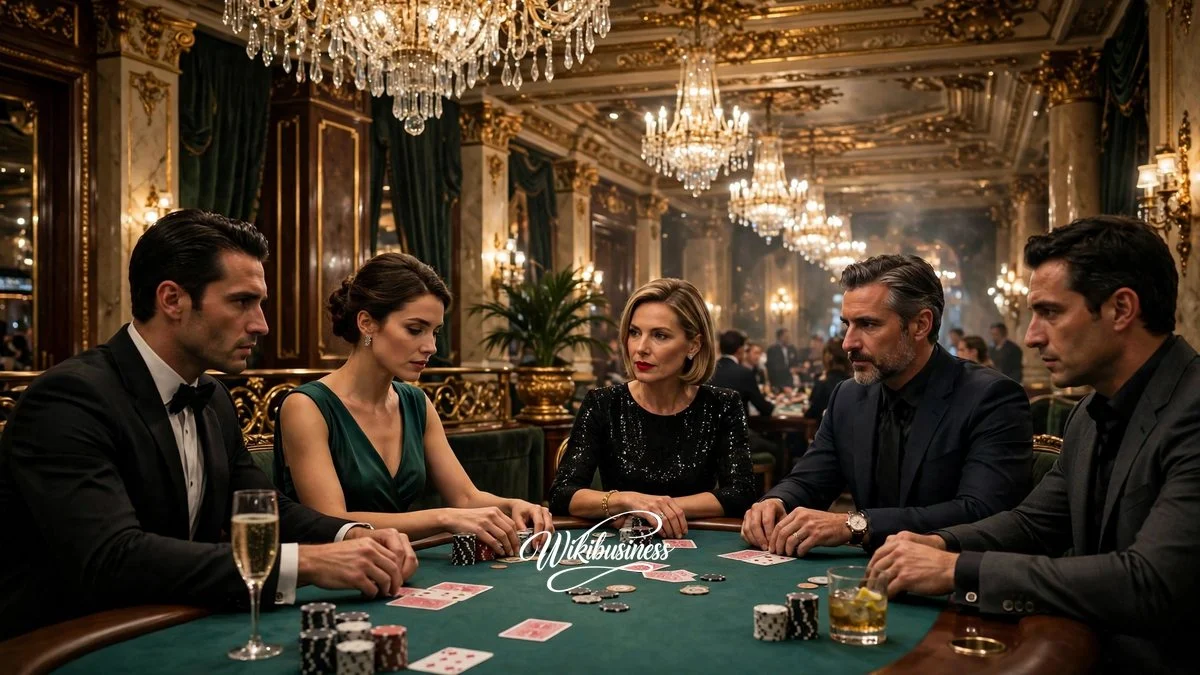
Casino Royale (2006) remains the boldest reinvention in franchise history: a blond Bond, cast amid public outrage, in a film that stripped away the gadgets, the quips and the armour, and rebuilt 007 as a blunt instrument learning his trade. It worked because it returned to Ian Fleming’s first novel — the poker table at Casino Royale, Vesper Lynd, and an ending that made Bond’s emotional damage the series’ continuing story. For the first time, the James Bond franchise ran a genuine five-film arc: Quantum of Solace, Skyfall — at over a billion dollars, still the series’ commercial peak — Spectre, and No Time to Die (2021), the first Bond film to end its hero’s story outright. Fleming’s original Casino Royale novel, the source all of it flows from, belongs beside the discs.
Why Every Recasting Reignites the Whole Catalogue
The economics are as elegant as the mechanism. A new Bond announcement is a global news cycle that costs the studio nothing; the speculation alone drives catalogue sales, streaming spikes and anniversary re-releases of films made before the new actor was born. Each era also re-slices the back catalogue into a new product: Connery collections, Moore collections, the Craig 4K remasters. No other series can do this, because no other series treats its lead as an institution rather than a performance — the closest comparison in modern cinema is the saga logic we mapped in our Star Wars watch order 2026, and the revival mechanics behind our Splinter Cell remake coverage. With Amazon MGM now steering the franchise and the search for the next 007 under way, the cycle is already turning again: whoever is cast will be declared wrong, then definitive, and the twenty-five films behind them will sell all over again. For the seasonal window on box-set pricing, see our Black Friday 2026 deals guide.
FAQ — James Bond Franchise
How many James Bond films are there?
Twenty-five official Eon Productions films, from Dr. No (1962) to No Time to Die (2021), played by six actors: Connery, Lazenby, Moore, Dalton, Brosnan and Craig. Two unofficial productions — the 1967 Casino Royale spoof and Never Say Never Again (1983) — sit outside the official line.
Who has played James Bond the most?
Roger Moore and Sean Connery lead with seven official films each (Connery’s count includes his return in Diamonds Are Forever); Daniel Craig made five, Pierce Brosnan four, Timothy Dalton two and George Lazenby one.
What is the best order to watch the Bond films?
Release order is the honest route — the reinventions only land when you have seen what they are reacting against. The one exception: the five Craig films form a single serialised story and reward being watched consecutively, in order.
What is the highest-grossing Bond film?
Skyfall (2012), at over 1.1 billion US dollars worldwide — released for the franchise’s fiftieth anniversary, and the peak of the Craig era.
The James Bond franchise endures because it refuses to be a museum piece. It argues with itself, in public, every twenty years — and every argument sells the whole story again.