


The best sanders 2026 are the finishing tool that turns rough cuts and old paint into surfaces worth looking at — and the tool most buyers underbuy. What separates the best sanders 2026 from the crowded middle is vibration control and dust collection matched to the work you actually do, a pad and paper system that stays flat and stays attached, power that does not stall under pressure, and a corded or battery platform that fits the rest of your workshop. Buy on amps alone and you can end up with a fast, rough sander that leaves swirl marks, or a light detail sander stalling on a tabletop; buy on the decisions below — random orbital versus detail versus belt, pad size, dust extraction and paper grit progression — and the same money buys a glass-smooth finish. This guide explains those decisions first, then gives six picks for Canadian buyers: the Makita BO5041 for the best all-round random orbital, the DEWALT DCW210 20V MAX XR for the best cordless finish, the Bosch ROS20VSC for smooth variable-speed control, the Milwaukee M18 2648 for the strongest cordless platform sand, the Festool ETS 125 REQ for premium dust-free finishing, and the SKIL SR211601 for dependable budget value.
How We Chose the Best Sanders 2026
We compared manufacturer specifications — motor power and orbit speed, orbit diameter, pad size, dust port and bag or vacuum compatibility, variable-speed range, weight and vibration class, and Canadian warranty and parts support — then ranked on what decides years of ownership: finish quality first, because a sander that leaves swirls fails its only job; dust control, because sanding dust is a health risk and a mess that ruins finishes, and a sander that captures its dust is a different tool; ergonomics and vibration, because sanding is done by hand for hours and numb hands make bad finishes; and paper ecosystem, because hook-and-loop discs in the right grits must be easy to buy in Canada. Every pick below is an established model with Canadian availability. Prices move constantly in Canada, so check the live price on each link before you buy: the best sanders 2026 reward matching orbit, pad and dust control to your work.
Random Orbital vs Detail vs Belt: The Decisions That Matter
Most Canadian workshops need a 5-inch random orbital sander: the pad spins and orbits at once, so it removes material fast without the swirl marks a pure rotary sander leaves, and the 5-inch size suits tabletops, doors, cabinets and decks. Detail sanders with triangular pads reach corners and profiles a round pad cannot, but are slow on flat work. Belt sanders remove stock aggressively for floors and rough lumber and are the wrong tool for fine finishing. Orbit diameter is the hidden spec: a smaller orbit gives a finer finish, a larger orbit removes faster. Dust extraction is the second decision — a bag catches the worst, a vacuum adapter with a good extractor catches nearly all of it — and in a Canadian winter, when sanding moves indoors, that difference is health, not convenience. Get sander type, orbit and dust right and the best sanders 2026 leave a finish ready for stain or paint.
Grit Progression, Technique and Safety, Explained Honestly
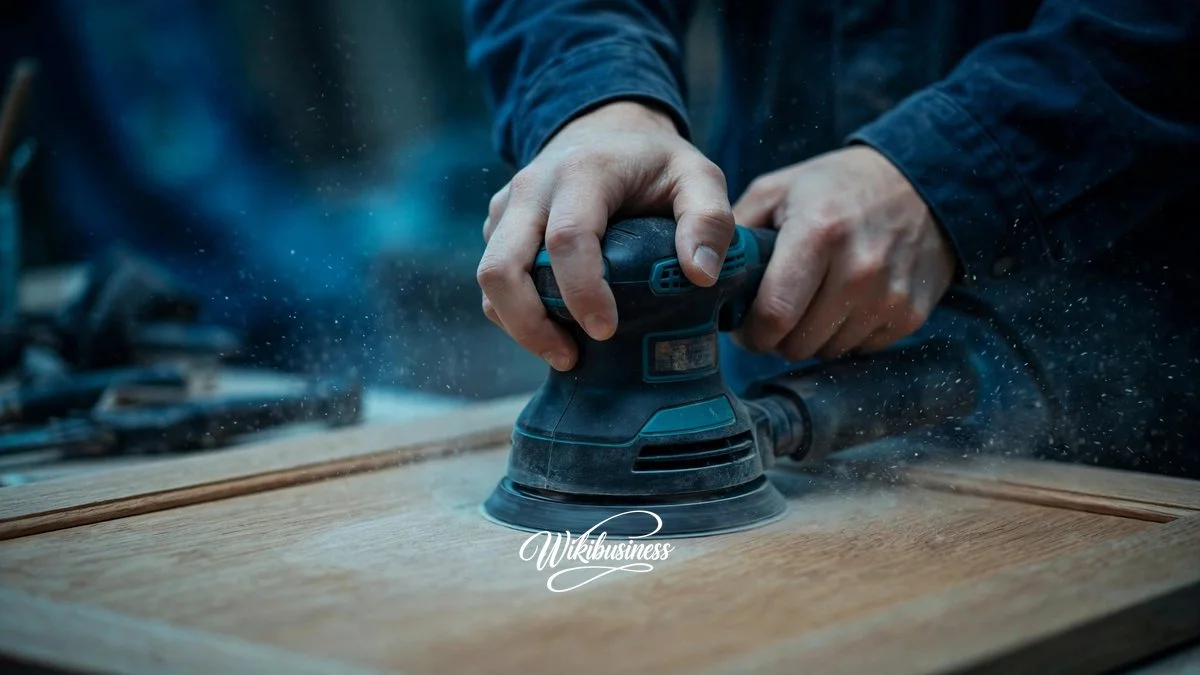
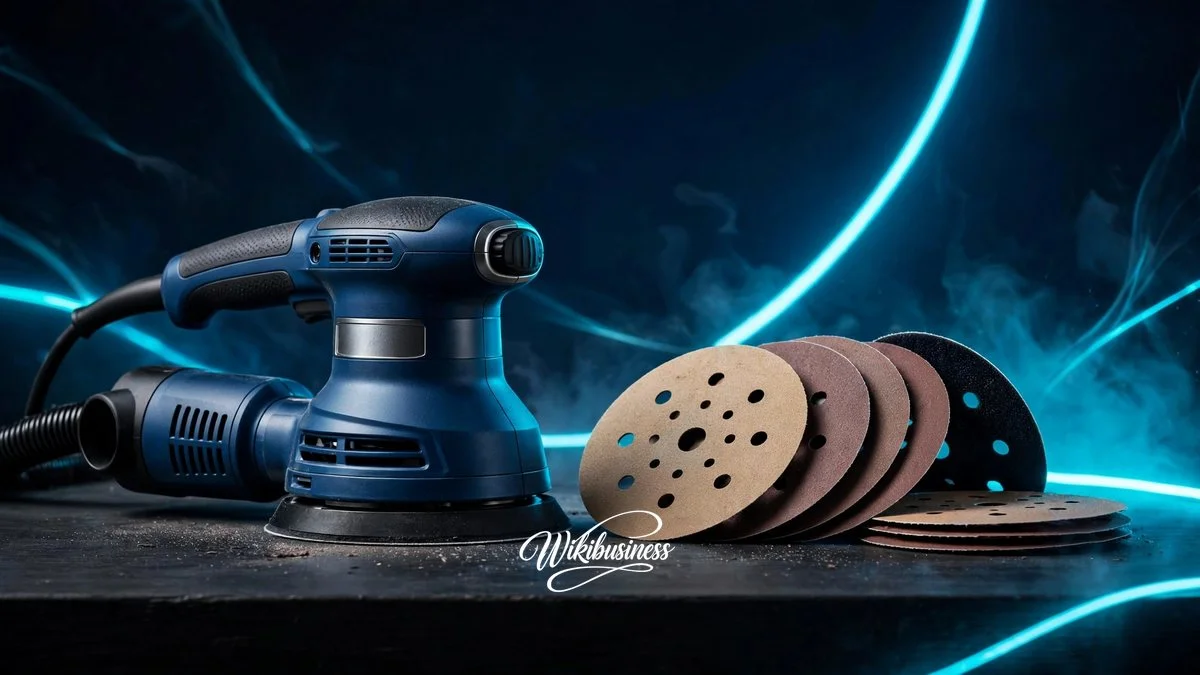
A sander is only as good as its grit progression: start coarse enough to remove the defect — 80 grit for rough lumber, 120 for planed wood — then step through 150 and 220, never skipping more than one grit, and never pressing harder to make a dull disc cut faster. Pressure is the classic beginner error: let the weight of the sander and a fresh disc do the work, keep the pad flat, and keep it moving so it cannot dish a hollow. Dust is a real hazard with this tool, not a nuisance: wear a proper respirator for MDF, old paint and any unknown finish, connect dust extraction whenever you can, and never sand lead paint or treated wood without knowing the rules in your province. In winter, cold batteries lose punch on cordless models, and corded tools earn their keep in unheated shops. Treat the best sanders 2026 as a finishing system — sander, paper, dust control and technique together — and they reward you with a surface that looks professionally finished.
1. Makita BO5041 5-Inch Random Orbit Sander
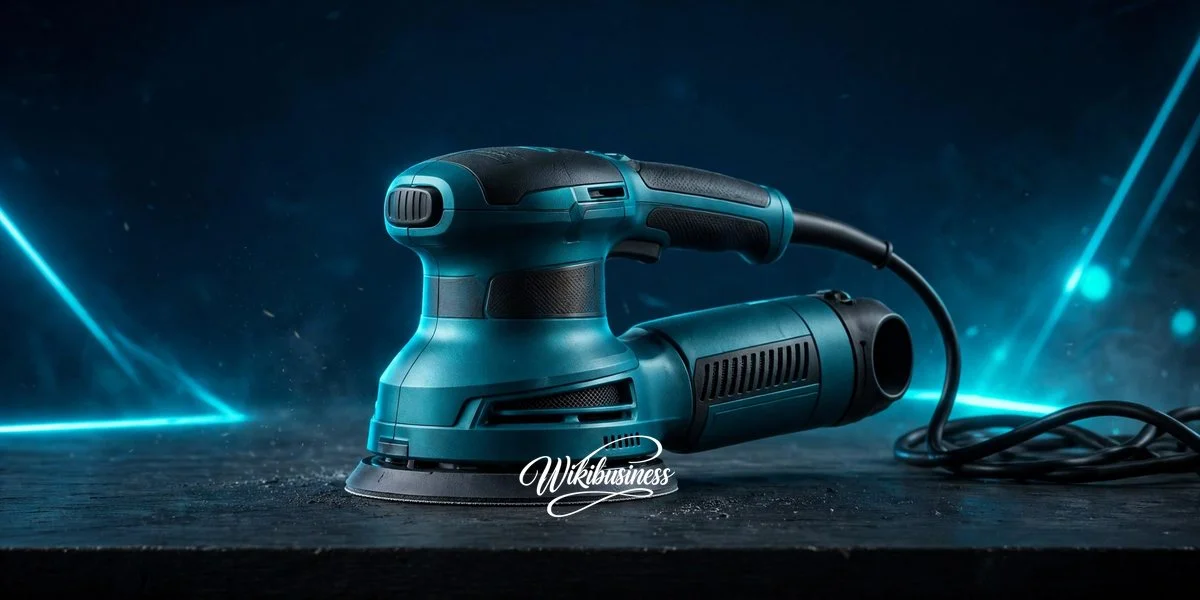
The Makita BO5041 is the all-round benchmark among the best sanders 2026: a 3-amp motor with variable speed, a 5-inch pad with a 1/8-inch orbit for a fine finish, a dust bag and vacuum adapter in the box, and Makita’s long-standing reputation for smooth, durable finishing tools. It balances removal speed and finish quality the way most workshops actually need — fast enough for a tabletop, fine enough for a cabinet door — and its hook-and-loop discs are easy to source in Canada. Corded power is the quiet advantage: full output on the first pass and the fiftieth. Choose the BO5041 when one sander must cover the whole job list; it is the balanced default recommendation in this guide.
Check the price of the Makita BO5041 5-Inch Random Orbit Sander on Amazon.ca
2. DEWALT DCW210B 20V MAX XR Random Orbit Sander
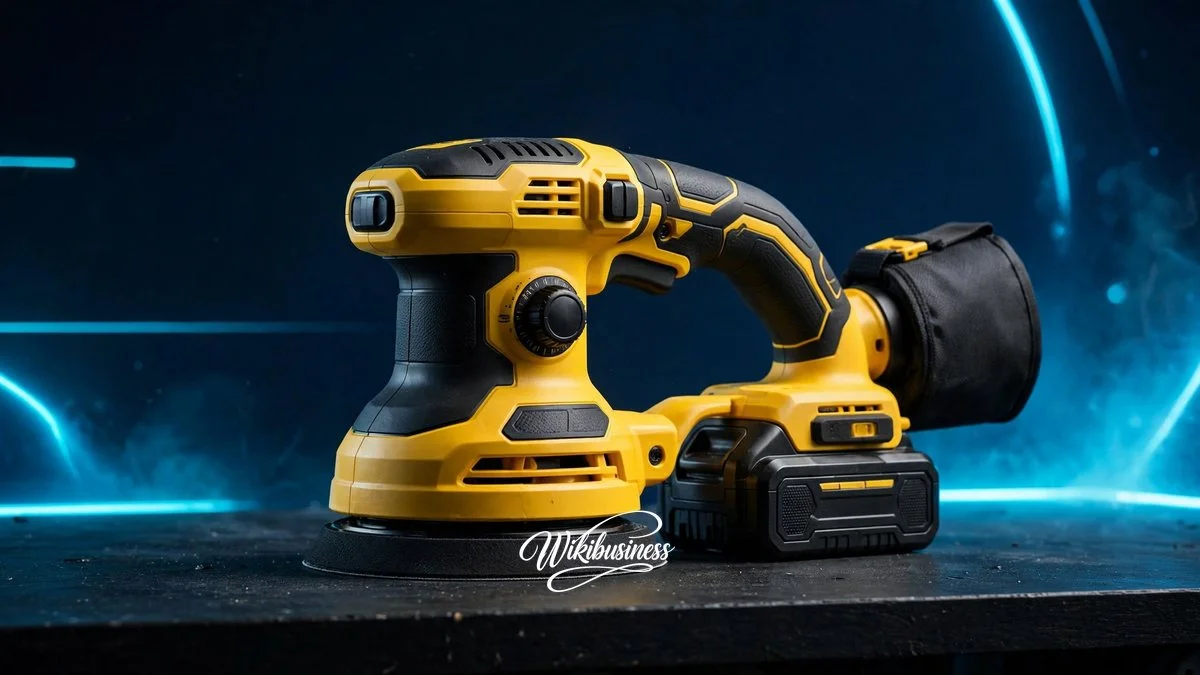
The DEWALT DCW210 is the cordless finish pick among the best sanders 2026: a brushless XR motor, a 5-inch pad, variable speed, a dust bag and the enormous DEWALT 20V MAX platform behind it — if your drill and jigsaw already run yellow, this sander arrives with its fuel in your chargers. It handles furniture, doors and deck boards in real sessions, with runtime set honestly by pack size, and its low-vibration design suits long finishing work. It is sold bare or in kits, so confirm exactly what the listing includes. Choose the DCW210 when cordless freedom matters more than corded stamina; it is the balanced cordless recommendation in this guide.
Check the price of the DEWALT DCW210B 20V MAX XR Random Orbit Sander on Amazon.ca
3. Bosch ROS20VSC Random Orbit Sander
The Bosch ROS20VSC is the smooth variable-speed pick: a 2.5-amp motor with a wide speed range, a 5-inch pad, a dust canister with a microfilter that genuinely helps, and Bosch’s focus on pad flatness and vibration control. It lacks the cordless freedom of the DEWALT and Milwaukee here and the premium dust extraction of the Festool, and in exchange offers the calm, controlled sanding feel detail work rewards — cabinets, trim and careful refinishing. Bosch service in Canada runs through its dealer network. For a smooth, accurate corded buyer, it earns its place among the best sanders 2026.
Check the price of the Bosch ROS20VSC Random Orbit Sander on Amazon.ca
4. Milwaukee M18 2648-20 Random Orbit Sander
Milwaukee’s M18 2648 is the cordless platform-power pick: a brushless M18 motor, a 5-inch pad with variable speed, a dust bag and the M18 platform — the other giant of Canadian job sites — behind it. With high-output packs it sands through a serious session; with small packs it reminds you that runtime is a battery budget, as every cordless sander does. It is the natural buy for a red-tool workshop and a harder sell as a first Milwaukee purchase at kit prices. Among the best sanders 2026 it wins when M18 is already your system and maximum cordless pace leads.
Check the price of the Milwaukee M18 2648-20 Random Orbit Sander on Amazon.ca
5. Festool ETS 125 REQ-Plus Random Orbit Sander
The Festool ETS 125 REQ is the premium dust-free finishing pick: a 2.5-amp motor with a 5-inch pad, a small 3/32-inch orbit for an exceptionally fine finish, and dust extraction that, paired with a Festool extractor, captures nearly everything — the standard professional cabinet shops judge the rest by. It costs several times the value picks and its paper and parts run through Festool’s dealer network, and returns it in a finish and a dust-free room no consumer sander matches. For a buyer whose work is fine furniture and cabinets, it is the professional choice among the best sanders 2026; confirm the exact configuration on the listing before ordering.
Check the price of the Festool ETS 125 REQ-Plus Random Orbit Sander on Amazon.ca
6. SKIL SR211601 Random Orbit Sander
The SKIL SR211601 is the dependable budget pick: a 2.8-amp motor, variable speed, a 5-inch pad with a dust bag and vacuum adapter, and a price that regularly undercuts the field for a full-size random orbital. It gives up the refinement, vibration control and longevity headroom of the Makita and Bosch above — it is a first sander and a renovation sander, not a decade-of-daily-use sander — and judged on that brief it delivers remarkable value. Pair it with fresh discs in the right grits and it will surprise you. It closes our list of the best sanders 2026 as the value choice for occasional and first-time buyers.
Check the price of the SKIL SR211601 Random Orbit Sander on Amazon.ca
Related Guides
A sander works best as part of a complete workshop. Cut curves with our guide to the best jigsaws 2026, cut straight with the best circular saws 2026, power the bench with the best air compressors 2026, and time any big purchase with our Black Friday 2026 deals guide.
Frequently Asked Questions
What size sander do most homeowners need?
A 5-inch random orbital sander is the balanced answer: it handles tabletops, doors, cabinets and deck boards, has the widest and cheapest disc selection in Canada, and finishes fine enough for stain or paint. Larger 6-inch models suit production work and floors; smaller detail sanders suit corners and profiles. Buy the 5-inch size first — the Makita BO5041 corded or DEWALT DCW210 cordless in this guide — and add specialty sanders only when real work demands them.
How do I avoid swirl marks when sanding?
Use a random orbital sander, not a pure rotary one, keep the pad flat and moving, step through grits without skipping, and change discs when they stop cutting — a dull disc pressed harder is the classic swirl-maker. Finish with 220 grit for most painted work and 180 to 220 for stained wood, wipe the surface clean between grits, and inspect in raking light before the final coat. The best sanders 2026 make this easy; technique finishes the job.
Do I really need dust extraction for sanding?
Yes, for health and for finish quality: sanding dust — especially MDF, old paint and exotic woods — is a respiratory hazard, and dust left on the surface ruins the next coat. A bag catches the worst, a vacuum adapter catches far more, and a proper respirator is the honest requirement for long sessions indoors. In winter, when sanding moves inside, dust control is the difference between a usable workshop and a room you cannot enter.
What grit should I start with?
Start with the coarsest grit that removes the defect and no coarser: 80 grit for rough lumber and old finish, 120 for planed wood and light defects, then step through 150 and 220. Skipping grits leaves scratches the next grit cannot remove, and starting too fine wastes discs and time. Finish at 220 grit for paint and 180 to 220 for stain, and always sand with the grain on the final passes.
Final Verdict
The best sanders 2026 are bought on matched orbit, honest dust control and a flat pad, in that order. For most workshops, choose the Makita BO5041 corded or the DEWALT DCW210 cordless. For smooth variable-speed work, the Bosch ROS20VSC leads; for M18 shops, the Milwaukee 2648 is the answer. The Festool adds premium dust-free finishing and the SKIL SR211601 covers the budget brief. Step through your grits, let fresh discs do the work, extract the dust, and verify the live Canadian price on each link: the best sanders 2026 reward the buyer who treats finishing as a system.